Easy Chimichurri Sauce – Vibrant Herb Flavor
Chimichurri sauce isn’t just a condiment; it’s a vibrant explosion of flavor that transforms ordinary meals into extraordinary experiences. This Argentinian staple, renowned for its zesty herbaceousness and a subtle kick of heat, has captivated palates worldwide. What makes chimichurri sauce so beloved? It’s the perfect harmony of fresh parsley, garlic, oregano, vinegar, and olive oil, creating a bright and invigorating counterpoint to grilled meats, roasted vegetables, and even simple bread. Unlike heavier sauces, chimichurri is wonderfully light and refreshing, allowing the natural flavors of your ingredients to shine through while adding its own distinct personality. I remember the first time I tasted authentic chimichurri; it was a revelation, a burst of freshness that I’ve been chasing ever since. It’s incredibly versatile and surprisingly easy to make, proving that sometimes, the simplest ingredients can create the most magical culinary moments. Get ready to elevate your cooking with this incredible chimichurri sauce.
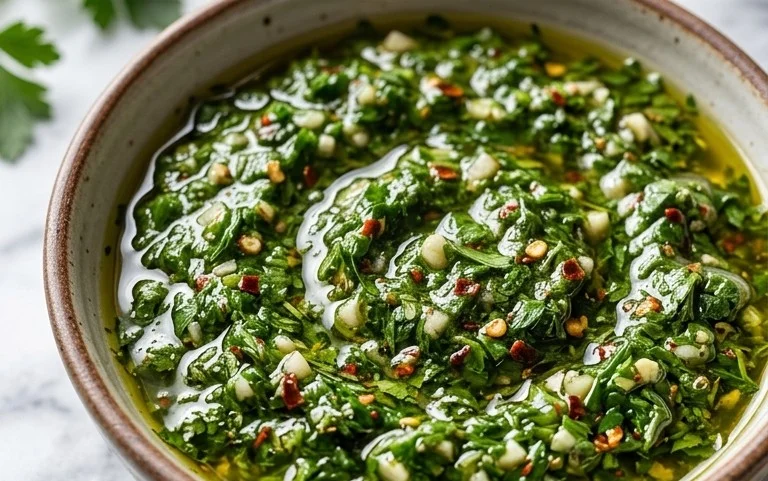
Chimichurri Sauce: The Vibrant Argentinean Herb Sauce
There are few sauces as versatile and explosively flavorful as chimichurri. This vibrant, herbaceous condiment, a staple in Argentinean cuisine, is traditionally served with grilled meats, but its bright, zesty character makes it a perfect accompaniment to almost anything. Think grilled vegetables, roasted chicken, fish, or even as a zesty dressing for salads. It’s incredibly easy to make, requiring no cooking whatsoever, just a little chopping and mixing. The magic lies in the freshness of the ingredients and the perfect balance of herbs, garlic, and vinegar. Once you make it from scratch, you’ll never go back to store-bought versions. This recipe focuses on authenticity, delivering that classic Argentinean kick that will elevate your meals to a whole new level.
Ingredients:
Instructions:
1. Preparing the Fresh Herbs:
This is the heart of your chimichurri, so starting with good quality, fresh herbs is paramount. Begin extract by thoroughly rinsing your fresh parsley and cilantro under cool running water. Gently pat them dry with paper towels or use a salad spinner to remove as much excess moisture as possible. This step is important because excess water can dilute the flavor of your sauce and make it watery. For the parsley, you’ll want to remove any thick stems, as they can be fibrous and unpleasant in the sauce. You’re aiming for the tender leaves and the thinner parts of the stems. Similarly, pick the leaves from the cilantro stems. If you’re using fresh oregano, pick the leaves from the stems. If you opt for dried oregano, you can simply measure out 1 teaspoon. Ensure all your herbs are as dry as possible before proceeding.
2. Finely Chopping the Aromatics and Herbs:
Now comes the chopping! The texture of your chimichurri is key to its appeal. For the most authentic results, I recommend finely mincing all your ingredients by hand. This will give you a more rustic, textured sauce. However, if you’re short on time or prefer a smoother consistency, a food processor can be used, but be careful not to over-process and turn it into a paste. For the parsley and cilantro, chop them very finely. The goal is small, consistent pieces. For the red onion (or shallot), mince it as finely as you can. You want it to be almost paste-like in its fineness to avoid any overpowering raw onion bites. Peel your garlic cloves and mince them equally finely. It’s important that all these components are finely chopped so that their flavors meld together beautifully.
3. Combining the Base Ingredients:
In a medium-sized bowl, combine the finely chopped parsley, cilantro, oregano, red onion (or shallot), and garlic. Add the salt and red pepper flakes (if using) to this mixture. The salt will start to draw out some moisture from the aromatics and herbs, helping to further develop their flavors. Take a moment to stir these ingredients together gently. You want to ensure that the herbs and aromatics are well distributed before you add the liquids. At this stage, you’ll already start to smell the wonderful, fresh aroma of your future chimichurri.
4. Adding the Tangy Liquids:
Next, pour in the red grape juice vinegar and fresh lemon juice. The vinegar provides a crucial tang and a bit of acidity that cuts through richness, while the lemon juice adds a bright, citrusy lift. Stir these liquids into the herb and aromatic mixture. Let this mixture sit for about 5 to 10 minutes. This resting period allows the flavors to meld and the vinegar and lemon juice to begin extract to “cook” or tenderize the raw garlic and onion slightly, mellowing their intensity. You might notice the color of the herbs becoming even more vibrant during this time.
5. Emulsifying with Olive Oil and Final Seasoning:
Finally, it’s time to add the olive oil. Drizzle in the 3/4 cup of good quality olive oil while stirring constantly. It’s best to add the olive oil gradually, stirring as you go, to help create a beautiful emulsion. This process helps to bind the ingredients together and create that characteristic chimichurri consistency. Continue stirring until the oil is well incorporated and the sauce has a lovely, cohesive texture. Now, taste your chimichurri. This is where you adjust the seasoning to your personal preference. Does it need a little more salt? More acidity from the vinegar or lemon juice? A touch more heat from the red pepper flakes? Don’t be shy about making these adjustments. The beauty of homemade chimichurri is that you can tailor it precisely to your liking. Once you’re happy with the flavor, your chimichurri is ready to be served or stored.
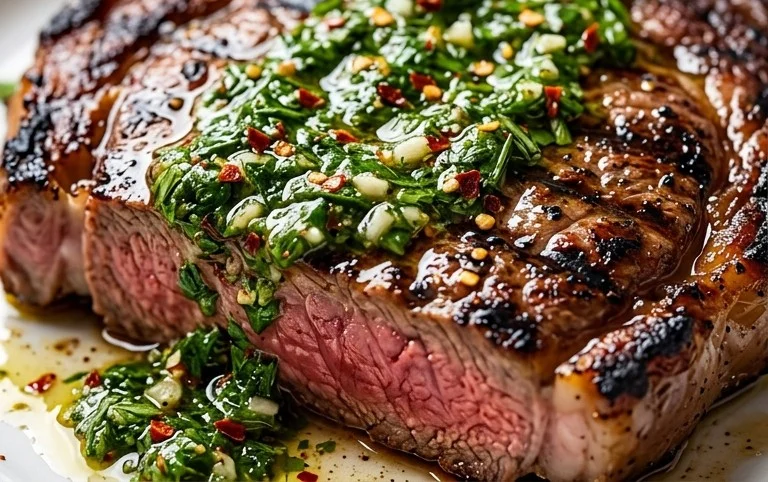
Once your chimichurri is complete, you can use it immediately. However, like many sauces, its flavors will continue to develop and meld beautifully if it has a chance to sit for at least 30 minutes at room temperature, or even better, overnight in the refrigerator. If refrigerating, the olive oil may solidify slightly; simply bring it to room temperature and give it a good stir before serving. It can be stored in an airtight container in the refrigerator for up to a week. Enjoy this incredibly versatile sauce on everything from steak and chicken to grilled vegetables and even as a dip for crusty bread!
Conclusion:
And there you have it! This chimichurri sauce recipe is a true game-changer in the kitchen, offering a burst of fresh, vibrant flavor that elevates any dish. Its simplicity, relying on readily available ingredients and minimal prep time, makes it an incredibly rewarding sauce to whip up. Whether you’re grilling steak, roasting chicken, or even tossing vegetables, this herbaceous condiment brings a zesty, herbaceous kick that is simply irresistible. Don’t be afraid to experiment with serving suggestions; this sauce is incredibly versatile!
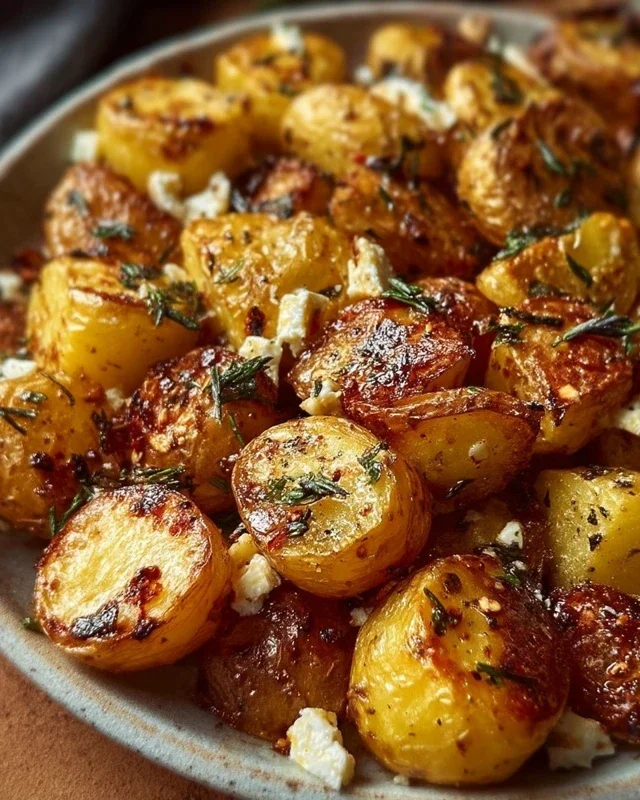
Try it not just on grilled meats, but also as a marinade, a drizzle over roasted potatoes, or even as a dip for crusty bread. Feel free to get creative with variations too! A touch of finely diced red bell pepper adds sweetness, or a pinch of red pepper flakes can introduce a gentle warmth. You might even consider adding a splash of red grape juice vinegar for extra tang. I truly encourage you to give this chimichurri sauce a try. You’ll be amazed at how easily it becomes a staple in your culinary repertoire.
Frequently Asked Questions:
How long does chimichurri sauce last?
Properly stored in an airtight container in the refrigerator, your fresh chimichurri sauce should stay vibrant and delicious for about 5-7 days. The acidity from the vinegar acts as a natural preservative.
Can I freeze chimichurri sauce?
Yes, you absolutely can! Freeze it in ice cube trays for perfectly portioned servings, or in a freezer-safe container. While the herbs might lose a little of their brightness after thawing, it will still be wonderfully flavorful.
Chimichurri Sauce
A vibrant and herbaceous Argentinian sauce perfect for grilling and marinades. This recipe offers a pork-to-beef and alcohol-to-non-alcohol substitution.
Ingredients
-
1 1/2 cups well packed (42g) fresh parsley
-
1/2 cup well packed (20g) fresh cilantro
-
1/4 cup (9g) fresh oregano or 1 tsp dried
-
1/4 small red onion or one small shallot
-
3 garlic cloves
-
3 Tbsp red grape juice vinegar
-
2 Tbsp fresh lemon juice
-
1/2 tsp salt, (then more to taste)
-
1/4 tsp red pepper flakes ((optional, more or less to taste))
-
3/4 cup olive oil**
Instructions
-
Step 1
Finely chop the fresh parsley, cilantro, and oregano. If using fresh oregano, chop it finely. If using dried, set aside. -
Step 2
Finely mince the red onion or shallot and the garlic cloves. -
Step 3
In a medium bowl, combine the chopped herbs, minced onion/shallot, minced garlic, red grape juice vinegar, fresh lemon juice, salt, and optional red pepper flakes. -
Step 4
Whisk these ingredients together until well combined. If using dried oregano, add it now. -
Step 5
Slowly drizzle in the olive oil while whisking continuously to emulsify the sauce. -
Step 6
Taste and adjust seasoning with more salt or red pepper flakes as needed. -
Step 7
For best flavor, let the chimichurri sauce sit for at least 15 minutes at room temperature before serving, or refrigerate for later use. It can be stored in an airtight container in the refrigerator for up to a week.
Important Information
Nutrition Facts (Per Serving)
It is important to consider this information as approximate and not to use it as definitive health advice.
Allergy Information
Please check ingredients for potential allergens and consult a health professional if in doubt.