Mix and Match Pesto Recipe- Flavor Your Way
The beauty of a mix and match pesto recipe lies in its incredible versatility and the sheer joy of customization. Forget rigid ingredients lists; we’re diving into a world where your taste buds are the ultimate guides. Who doesn’t love pesto? Its vibrant green hue, the aromatic burst of basil, the satisfying nuttiness of pine nuts, and that tangy kiss of Parmesan cheese – it’s a symphony of flavors that can elevate any dish from ordinary to extraordinary. But what truly makes this approach to pesto special is that it’s not just about following a recipe; it’s about creating your perfect pesto. Whether you’re a seasoned cook or just starting out, this mix and match pesto recipe empowers you to experiment and discover new flavor combinations. Get ready to unlock a world of delicious possibilities with your very own custom-blended pesto!
Mix and Match Pesto: Your Ultimate Flavor Foundation
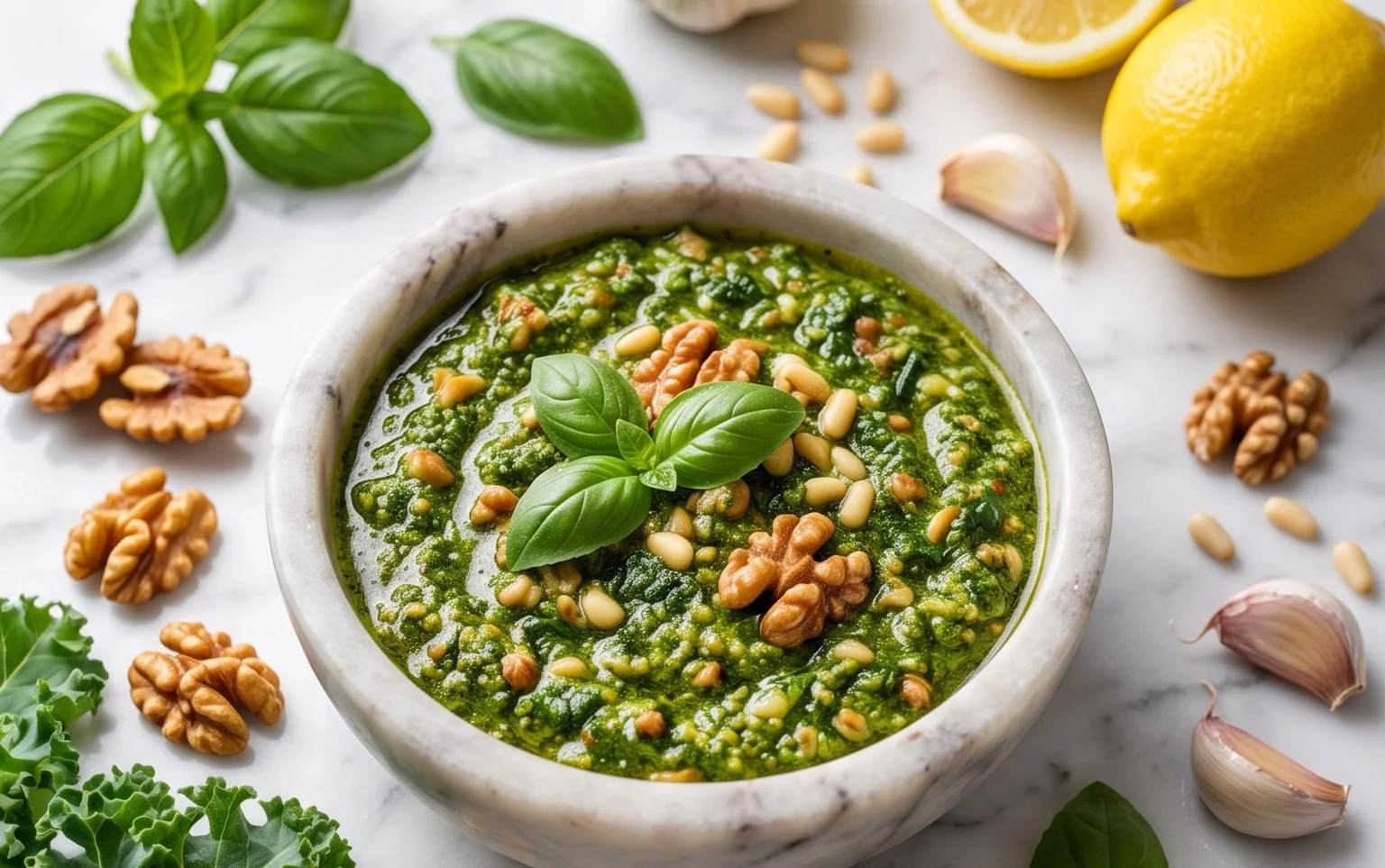
Tired of the same old pesto? What if I told you that the classic basil pesto is just the begin extractning? Today, we’re diving into the wonderfully versatile world of “mix and match” pesto, a concept that empowers you to create endless flavor combinations using a core set of simple ingredients. This isn’t just a recipe; it’s a template for culinary creativity. Forget pre-made jars that lack soul; with this guide, you’ll be whipping up fresh, vibrant pestos that perfectly complement any dish, from pasta and pizzas to sandwiches and dips.
The beauty of this approach lies in its adaptability. You can tailor your pesto to your mood, the ingredients you have on hand, or the specific flavors you’re craving. Whether you’re a begin extractner cook or a seasoned pro, this guide will help you unlock the secrets to consistently delicious, homemade pesto.
Ingredients:
Crafting Your Custom Pesto
This is where the fun begin extracts! You’re in the driver’s seat, making choices that will define the unique character of your pesto.
Step 1: The Aromatic Foundation – Garlic
Start with your garlic. The amount you use is entirely up to your preference. For a milder flavor, stick to 2 cloves. If you’re a garlic lover who enjoys a punchy kick, go for 3. Make sure they are peeled. For an even milder, sweeter garlic flavor, you can even give your garlic cloves a quick blanch in boiling water for about 30 seconds, then shock them in ice water before proceeding. This step is optional but can make a noticeable difference if you find raw garlic too overpowering.
Step 2: Choosing Your Greens – The Heart of Your Pesto
This is your biggest opportunity for customization. The “greens” category is incredibly broad. You can go classic with a pure basil pesto, which is a timeless favorite. Or, you can experiment!
For 2 to 3 cups packed greens, you’ll want to thoroughly wash and dry them. Excess water can dilute the flavor of your pesto. A salad spinner is your best friend here. If using tougher greens like knon-alcoholic ale, consider removing the tough stems before processing.
Step 3: The Nutty Crunch – Texture and Flavor
Nuts bring richness, texture, and their own unique flavor profiles to pesto. Pine nuts are the traditional choice for classic basil pesto, offering a delicate, buttery taste. However, don’t be afraid to explore!
You’ll need about 1/4 cup of nuts. For a smoother pesto, you can lightly toast your nuts in a dry skillet over medium heat for a few minutes until fragrant. Be careful not to burn them! Toasting brings out their oils and intensifies their flavor.
Step 4: The Binding Agent – Olive Oil
Extra virgin extract olive oil is crucial for binding the ingredients and creating that signature pesto consistency. Start with 1/4 cup. You’ll likely need more to reach your desired texture. Use a good quality extra virgin extract olive oil for the best flavor. As you process, you’ll add more oil slowly until the pesto is smooth and luscious, but not runny.
Step 5: The Cheesy Umami – Parmesan
Grated Parmesan cheese (about 1/2 cup) adds a salty, umami depth that is essential for most pestos. You can use a good quality pre-grated Parmesan, but for the absolute best flavor and texture, I highly recommend grating it fresh from a wedge. This will give you a finer, more integrated texture in your pesto.
Step 6: Seasoning and Brightness
Now for the final touches: salt and pepper. Season generously with salt and freshly ground black pepper to taste. Remember that Parmesan is salty, so taste as you go. The juice from 1/2 a lemon is a game-changer. It cuts through the richness of the oil and cheese, adding a vibrant freshness that elevates all the other flavors. Don’t skip this if you want a truly bright and balanced pesto.
Putting It All Together: The Process
You can achieve a fantastic pesto using a food processor or a blender. A mortar and pestle can also be used for a more traditional, albeit labor-intensive, method.
1. Combine the Solids: In the bowl of your food processor (or blender), add the peeled garlic cloves, your chosen nuts, and your thoroughly washed and dried greens. If you’re using tougher greens like knon-alcoholic ale, give them a rough chop first.
2. Pulse to Chop: Pulse the ingredients a few times until they are roughly chopped. You want a somewhat coarse texture at this stage.
3. Add the Cheese and Pulse Again: Add the grated Parmesan cheese to the food processor. Pulse a few more times until the cheese is well incorporated into the greens and nuts.
4. Stream in the Olive Oil: With the food processor running on a low setting, slowly drizzle in the 1/4 cup of extra virgin extract olive oil. Continue to process, stopping and scraping down the sides as needed, until the pesto is smooth and emulsified. You may need to add a bit more olive oil, a tablespoon at a time, to reach your desired consistency. Some people prefer a chunkier pesto, while others like it very smooth.
5. Season and Brighten: Once you’ve achieved your desired consistency, stir in the lemon juice (if using). Taste the pesto and add salt and freshly ground black pepper as needed. Remember to taste and adjust. This is your pesto, so make it perfect for you!
Your custom mix and match pesto is now ready to be enjoyed! Store it in an airtight container in the refrigerator for up to a week, or freeze it in ice cube trays for longer storage. Enjoy experimenting with different combinations and discovering your new favorite pesto!
Conclusion:
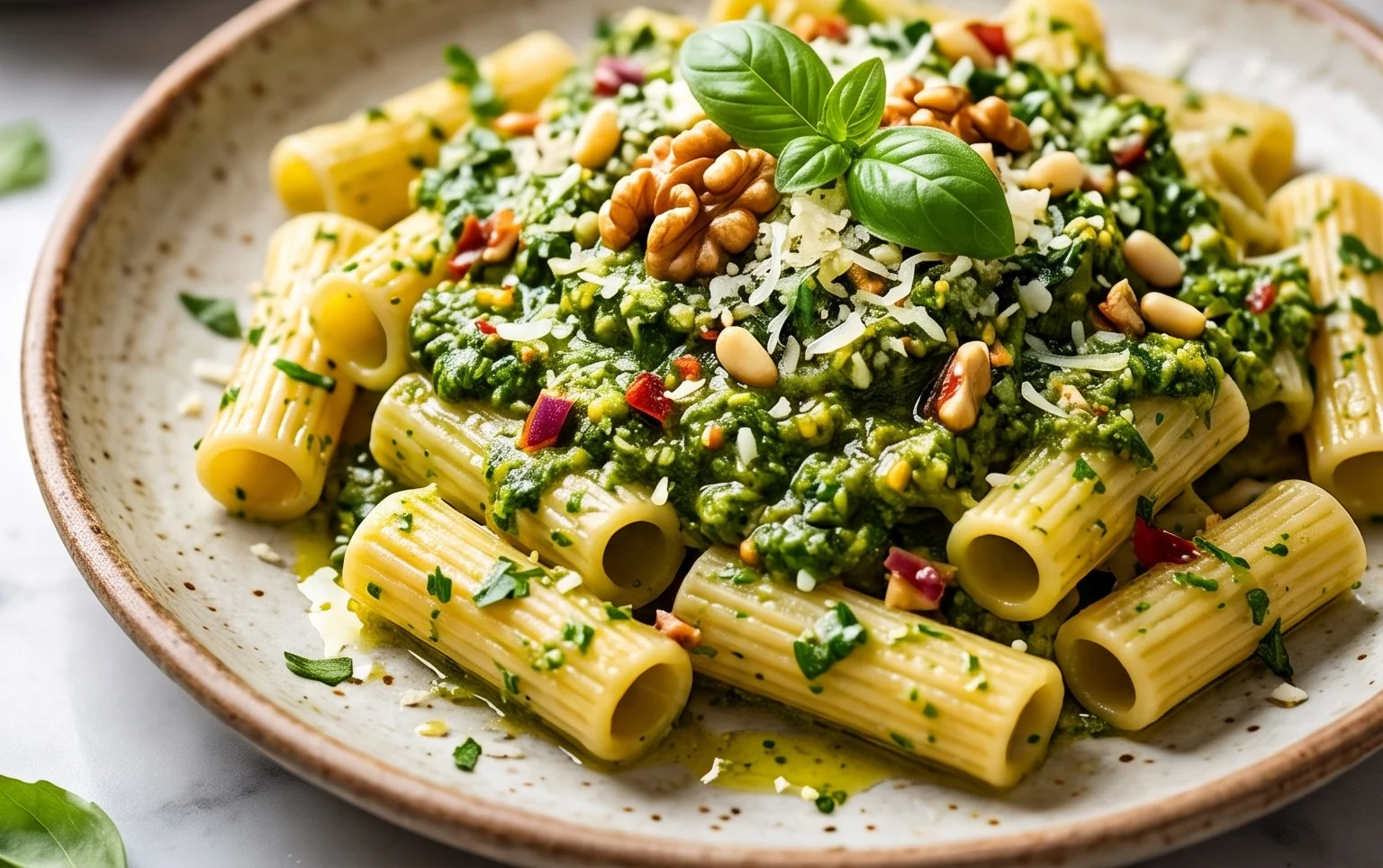
As you can see, this mix and match pesto recipe is an absolute game-changer for weeknight meals and entertaining alike! Its beauty lies in its incredible versatility and the sheer ease of customization. You’re not just making one pesto; you’re unlocking a universe of fresh, vibrant flavors tailored precisely to your taste buds. Whether you’re craving a classic basil punch, a zesty arugula bite, or a nutty knon-alcoholic ale foundation, the possibilities are truly endless. This recipe empowers you to create a sauce that perfectly complements pasta, elevates grilled chicken or fish, and adds a burst of freshness to sandwiches and pizzas. I encourage you to dive in, experiment with different greens and nuts, and discover your signature pesto blend. It’s a rewarding and delicious culinary adventure that I know you’ll love!
Frequently Asked Questions:
What are some other greens I can use besides basil or arugula?
Absolutely! You can get creative with spinach, knon-alcoholic ale, watercress, or even tender beet greens. Just ensure they are fresh and have a pleasant flavor profile that will work well in a pesto.
Can I freeze this mix and match pesto recipe for later?
Yes, you can! Portion the pesto into ice cube trays and freeze until solid. Once frozen, transfer the pesto cubes to a freezer-safe bag or container. This is a fantastic way to enjoy your homemade pesto throughout the year.
How long does homemade pesto typically last in the refrigerator?
When stored properly in an airtight container with a thin layer of olive oil on top to prevent oxidation, your homemade pesto should stay fresh in the refrigerator for about 5-7 days.
Mix and Match Pesto Recipe
A versatile pesto recipe that allows for customization with a variety of greens and nuts.
Ingredients
-
2 to 3 garlic cloves, peeled
-
2 cups packed spinach
-
1/4 cup pine nuts
-
1/4 cup extra virgin olive oil
-
1/2 cup grated Parmesan cheese
-
salt
-
pepper
-
juice from 1/2 a lemon (optional)
Instructions
-
Step 1
Combine garlic cloves and your chosen greens in a food processor. -
Step 2
Pulse until the ingredients are finely chopped. -
Step 3
Add the nuts and grated Parmesan cheese to the food processor. -
Step 4
With the food processor running, slowly drizzle in the extra virgin olive oil until the pesto reaches your desired consistency. -
Step 5
Season with salt and pepper to taste. -
Step 6
Stir in the lemon juice if using for a brighter flavor.
Important Information
Nutrition Facts (Per Serving)
It is important to consider this information as approximate and not to use it as definitive health advice.
Allergy Information
Please check ingredients for potential allergens and consult a health professional if in doubt.