One Pan Balsamic Beef – Easy Dinner Recipe
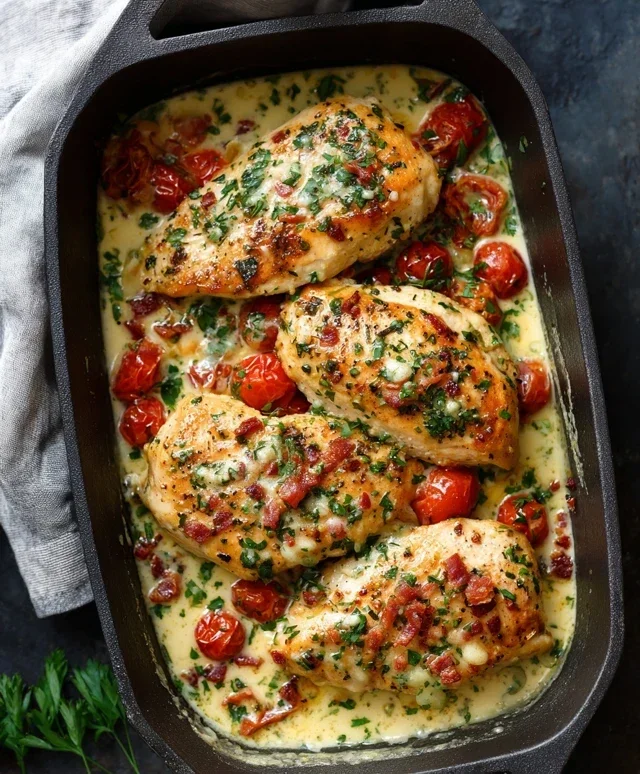
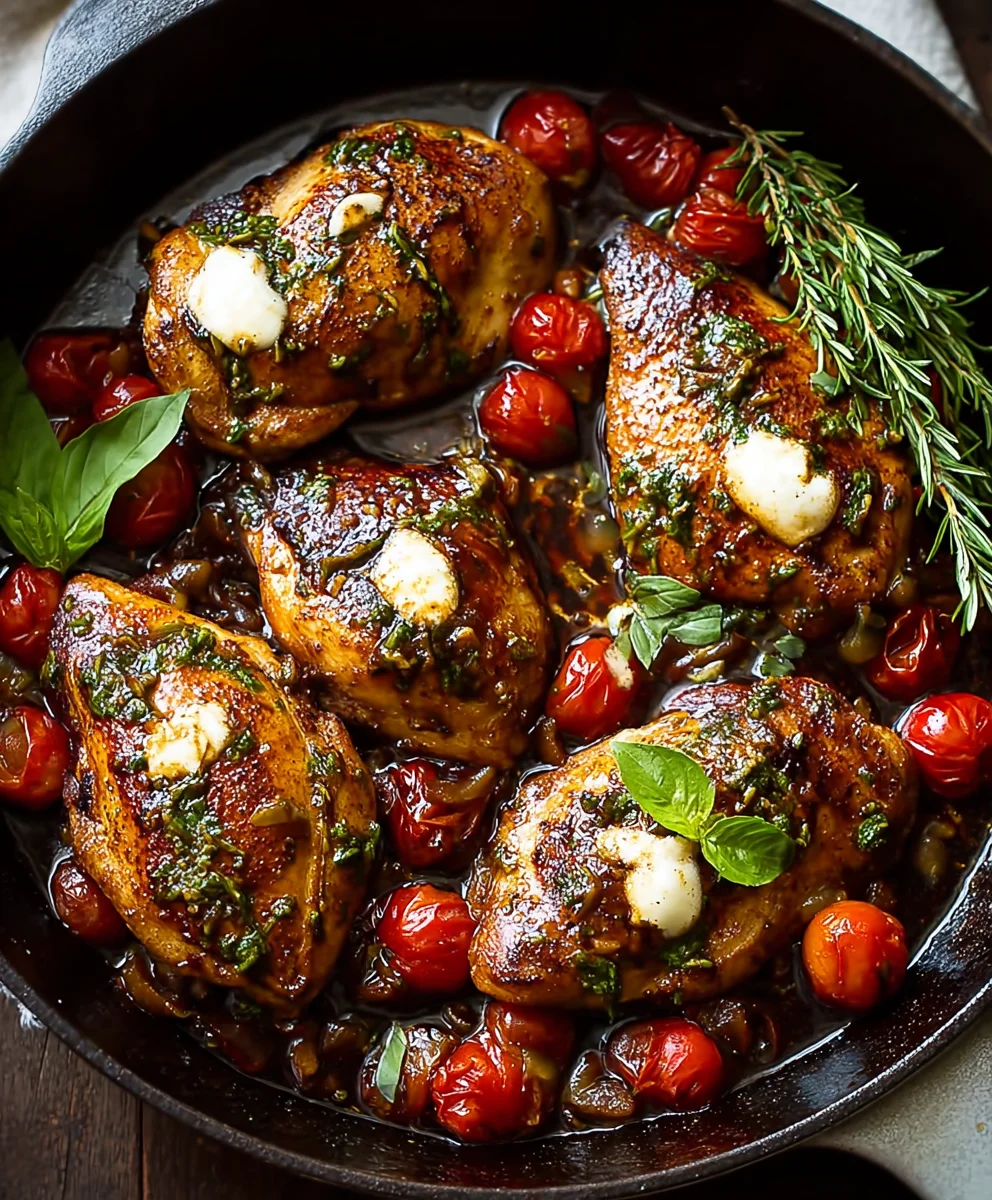
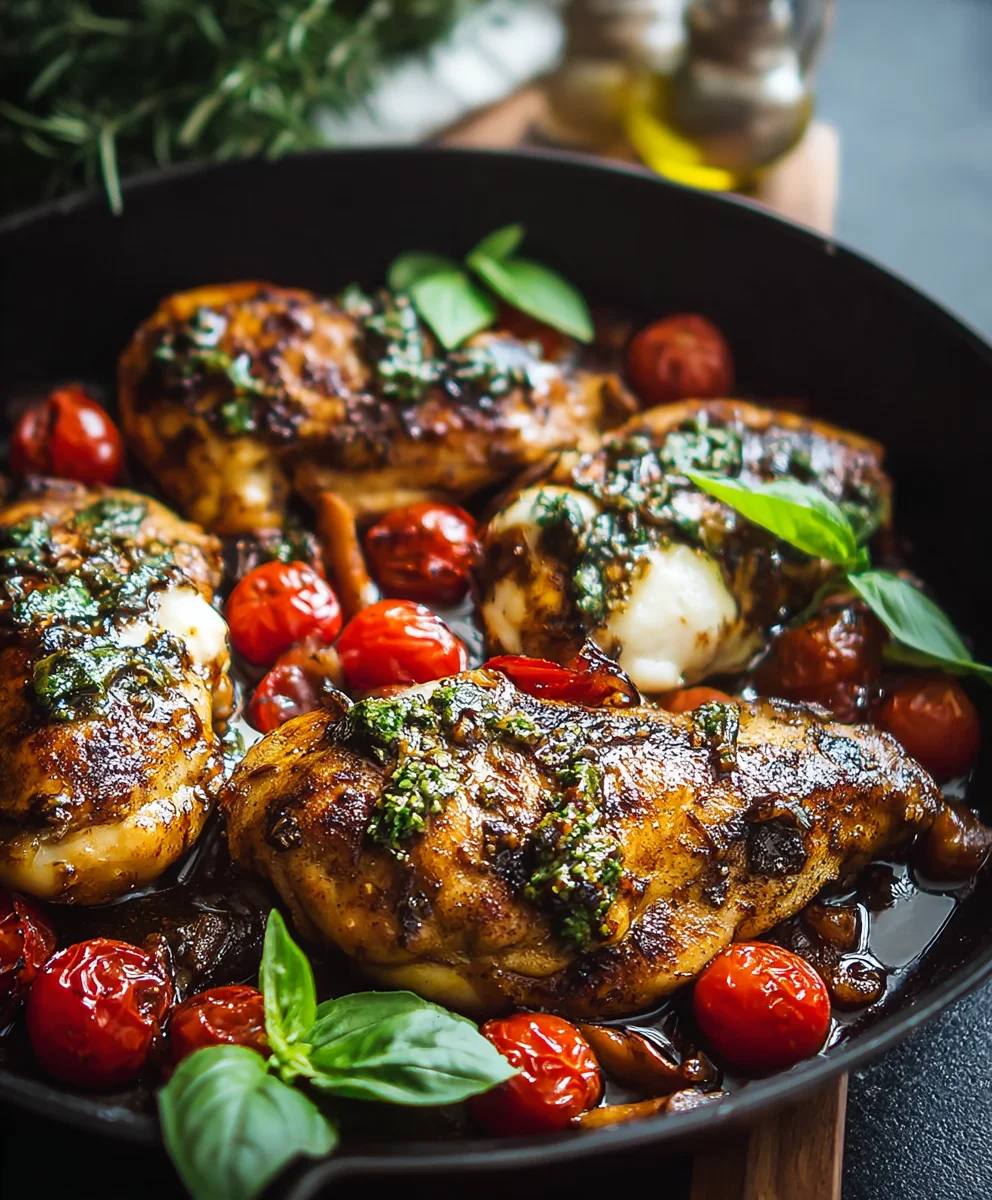
One Pan Balsamic Chicken is more than just a meal; it’s a weeknight savior, a testament to simplicity, and a symphony of flavor that lands right on your dinner table with minimal fuss. We all crave those dishes that deliver maximum satisfaction with minimum cleanup, and this particular recipe hits that sweet spot perfectly. What is it about this particular combination that captures our hearts (and stomachs)? Perhaps it’s the irresistible tang of the balsamic glaze that caramelizes beautifully, clingin extractg to tender chicken pieces and creating a sticky, savory-sweet coating. Or maybe it’s the sheer convenience of tossing everything onto a single baking sheet, allowing the oven to do all the hard work while you reclaim precious time. This One Pan Balsamic Chicken isn’t just easy; it’s incredibly rewarding, offering a deeply satisfying, restaurant-worthy meal that feels both comforting and sophisticated, proving that amazing taste doesn’t require a culinary degree or hours spent slaving over multiple pots and pans. Get ready to discover your new go-to for effortless deliciousness!
Ingredients:
- ⅓ cup balsamic vinegar
- 2 tablespoons honey
- 2 tablespoons oil (avocado or olive)
- 2 cloves garlic, minced
- 1 teaspoon Italian seasoning
- 1 tablespoon Dijon mustard
- 8 ounces grape tomatoes, halved
- 8 ounces fresh mozzarella balls
- 2 tablespoons finely chopped fresh basil
- 2 pounds boneless skinless chicken breasts, pounded to even thickness
- 2 tablespoons avocado oil
- Kosher salt and fresh black pepper
Preparing the Balsamic Glaze
This glaze is the heart of our One Pan Balsamic Chicken, providing a sweet and tangy punch that beautifully caramelizes on the chicken. In a small saucepan, combine the ⅓ cup of balsamic vinegar, 2 tablespoons of honey, and 2 tablespoons of your chosen oil (avocado or olive oil work wonderfully here for a neutral flavor base). Add the 2 cloves of minced garlic and 1 teaspoon of Italian seasoning. The garlic will infuse the glaze with its pungent aroma as it heats, while the Italian seasoning will add a classic herby note. Whisk these ingredients together until well combined. Place the saucepan over medium-low heat. Stir frequently as the mixture begin extracts to warm. We’re not looking for a rolling boil, just a gentle simmer to allow the flavors to meld and the glaze to slightly thicken. This should take about 5-7 minutes. Once it has thickened enough to coat the back of a spoon, remove it from the heat and set it aside. This allows it to cool slightly and thicken further, making it perfect for coating the chicken.
Marinating the Chicken
For the most flavorful and tender chicken, a simple marinade is key. Take your 2 pounds of boneless, skinless chicken breasts and pound them to an even thickness. This ensures they cook uniformly, preventing some pieces from drying out while others remain undercooked. A meat mallet or even the bottom of a heavy skillet works well for this. In a medium bowl, whisk together the 1 tablespoon of Dijon mustard with the slightly cooled balsamic glaze you prepared earlier. Dijon mustard adds a subtle sharpness that complements the sweetness of the honey and the tang of the balsamic, creating a more complex flavor profile. Pour about half of this mixture over the pounded chicken breasts. Make sure each piece is well coated. You can use your hands or tongs to ensure even distribution. Let the chicken marinate for at least 15 minutes at room temperature, or up to 30 minutes if you have the time. If you plan to marinate for longer, it’s best to cover the bowl and refrigerate it.
Searing the Chicken
Now, let’s get cooking! Heat 2 tablespoons of avocado oil in a large oven-safe skillet over medium-high heat. Avocado oil has a high smoke point, making it ideal for searing. Once the oil is shimmering – you’ll see slight ripples on the surface – carefully add the marinated chicken breasts to the skillet. Don’t overcrowd the pan; if necessary, cook the chicken in batches to ensure a good sear. We want to achieve a beautiful golden-brown crust on each side. Season the chicken generously with kosher salt and fresh black pepper on both sides before placing it in the hot skillet. Sear for about 4-5 minutes per side. You’ll know it’s ready to flip when it easily releases from the pan without sticking. This searing process locks in the juices and creates that desirable caramelized exterior that is crucial for this dish.
Roasting and Finishing
Once the chicken has been seared to perfection on both sides, it’s time to bring everything together in our one-pan wonder. Reduce the heat of the skillet to medium-low. Carefully arrange the halved 8 ounces of grape tomatoes around the chicken breasts in the skillet. These little gems will soften and burst as they roast, releasing their sweet, juicy flavor and mingling with the pan juices. Drizzle the remaining balsamic glaze mixture over the chicken and tomatoes. This ensures every bite is coated in that glorious sweet and tangy goodness. Now, scatter the 8 ounces of fresh mozzarella balls evenly amongst the chicken and tomatoes. The mozzarella will melt into creamy pockets, adding a delightful richness.
Broiling to Perfection
For the final touch that elevates this dish, we’re going to briefly broil it. Transfer the entire skillet to a preheated broiler. Keep a close eye on it – broilers can be fierce! You’ll want to broil for just 2-3 minutes, or until the mozzarella is melted, bubbly, and lightly golden brown, and the tomatoes are slightly blistered. The heat from the broiler will give the mozzarella a lovely texture and ensure everything is perfectly heated through. Once it’s done, carefully remove the skillet from the oven. The aroma at this stage will be incredible! Let the One Pan Balsamic Chicken rest in the skillet for about 5 minutes before serving. This allows the juices to redistribute throughout the chicken, resulting in a more tender and moist final product. Finally, sprinkle the 2 tablespoons of finely chopped fresh basil over the top just before serving. The fresh basil adds a bright, herbaceous contrast to the rich flavors of the chicken, glaze, and cheese.
Conclusion:
You’ve now mastered the art of creating delicious and incredibly easy One Pan Balsamic Chicken! This recipe is a weeknight warrior, offering a complete meal with minimal cleanup. The tender chicken, roasted vegetables, and the sweet and tangy balsamic glaze come together beautifully, making it a crowd-pleaser for any occasion. Don’t hesitate to experiment and make this dish your own – that’s the beauty of home cooking!
I love serving my One Pan Balsamic Chicken with a side of fluffy quinoa or a simple green salad for a complete and balanced meal. It’s also fantastic alongside roasted potatoes or rice if you’re looking for something a bit heartier. For variations, consider adding in other vegetables like cherry tomatoes, zucchini, or bell peppers. You can also swap out the chicken thighs for chicken breasts, adjusting the cooking time accordingly. Feel free to get creative with your herbs too – rosemary or thyme are wonderful additions. I truly hope you enjoy making and eating this delightful One Pan Balsamic Chicken as much as I do!
Frequently Asked Questions about One Pan Balsamic Chicken:
Can I use chicken breasts instead of thighs?
Absolutely! Chicken breasts will work, but they tend to cook faster and can dry out if overcooked. I recommend cutting them into similar-sized pieces as the thighs for even cooking, and keep a close eye on the internal temperature, aiming for 165°F (74°C).
What other vegetables can I include in the One Pan Balsamic Chicken?
The beauty of this dish is its versatility! Beyond the suggested vegetables, feel free to add broccoli florets, cauliflower, asparagus, or even sweet potato chunks. Just ensure they are cut to a similar size for consistent roasting.
How can I make the balsamic glaze thicker?
If you prefer a thicker glaze, you can simmer the balsamic vinegar with a touch of honey or brown sugar for a few extra minutes before adding it to the pan. Alternatively, you can remove the chicken and vegetables from the pan and reduce the remaining sauce over medium heat until it reaches your desired consistency.
One Pan Balsamic Beef
An easy and flavorful one-pan dinner featuring tender balsamic-glazed beef with roasted tomatoes and melted mozzarella.
Ingredients
-
1/3 cup balsamic vinegar
-
2 tablespoons honey
-
2 tablespoons avocado oil
-
2 cloves garlic, minced
-
1 teaspoon Italian seasoning
-
1 tablespoon Dijon mustard
-
8 ounces grape tomatoes, halved
-
8 ounces fresh mozzarella balls
-
2 tablespoons finely chopped fresh basil
-
2 pounds beef sirloin steak, cut into 1-inch cubes
-
2 tablespoons avocado oil
-
Kosher salt and fresh black pepper
Instructions
-
Step 1
Prepare the balsamic glaze: In a small saucepan, combine balsamic vinegar, honey, 2 tablespoons avocado oil, minced garlic, and Italian seasoning. Heat over medium-low, stirring, for 5-7 minutes until slightly thickened. Remove from heat and set aside. -
Step 2
Marinate the beef: In a medium bowl, whisk together Dijon mustard and half of the balsamic glaze. Add the beef cubes and toss to coat. Let marinate for at least 15 minutes at room temperature. -
Step 3
Sear the beef: Heat 2 tablespoons avocado oil in a large oven-safe skillet over medium-high heat. Season beef with salt and pepper. Sear beef for 4-5 minutes per side until browned. -
Step 4
Roast and finish: Reduce skillet heat to medium-low. Arrange halved grape tomatoes around the beef. Drizzle remaining balsamic glaze over the beef and tomatoes. Scatter mozzarella balls evenly. -
Step 5
Broil to perfection: Transfer skillet to a preheated broiler. Broil for 2-3 minutes, or until mozzarella is melted, bubbly, and lightly golden brown, and tomatoes are blistered. Remove from oven and let rest for 5 minutes. -
Step 6
Serve: Sprinkle with fresh basil before serving.
Important Information
Nutrition Facts (Per Serving)
It is important to consider this information as approximate and not to use it as definitive health advice.
Allergy Information
Please check ingredients for potential allergens and consult a health professional if in doubt.